 |
|
 |
From the director: With growing student enrollment and faculty excellence, we have had much to celebrate in the Voiland School this year.
|
|
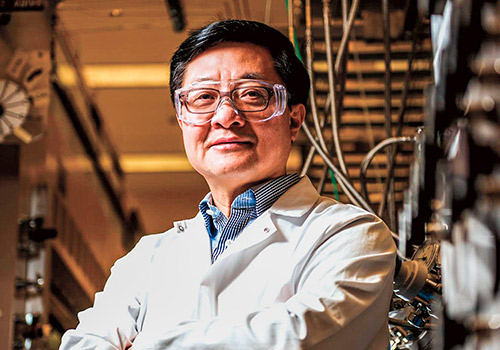 |
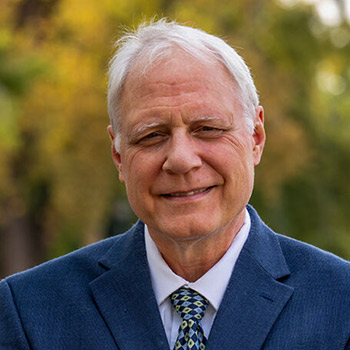
Yong Wang was inducted into the National Academy of Engineering, the most prestigious honor in engineering, in October. He was recognized for his work in advancing catalyst discovery, design, and reaction engineering for energy and environmental applications.
|
|
|
Research |
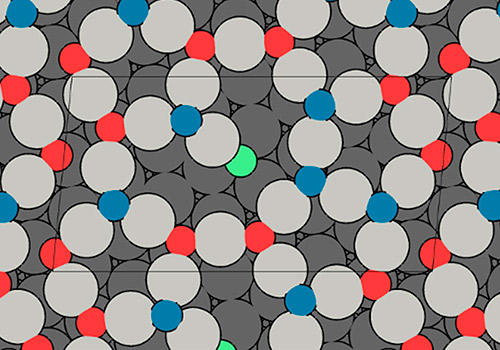 |
Professor Jean-Sabin McEwen received an NSF Early-concept Grants for Exploratory Research (EAGER) grant to design catalytic reactions to remove pollutants in catalytic converters and other emissions control systems.
|
|
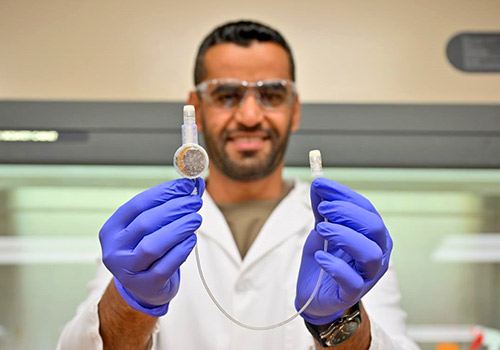 |
WSU and Mayo Clinic researchers developed an electrochemical catheter hub that could someday help prevent central line-associated bloodstream infections that annually kill thousands of people.
|
|
|
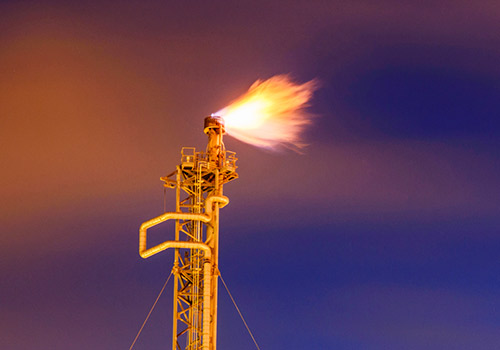 |
Professor Qiaowan Chang has been awarded a grant from the American Chemical Society (ACS) to develop a more efficient method for converting waste methane into useful chemicals.
|
|
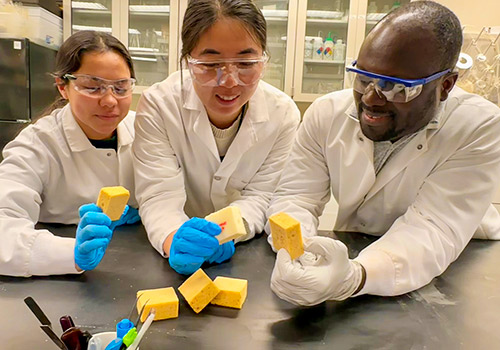 |
A WSU-led research team used an environmentally-friendly preparation of lignin as a substitute for 20% of the fossil fuel-based chemicals in foam. The bio-based foam was as strong and flexible as typical polyurethane foam.
|
|
|
|
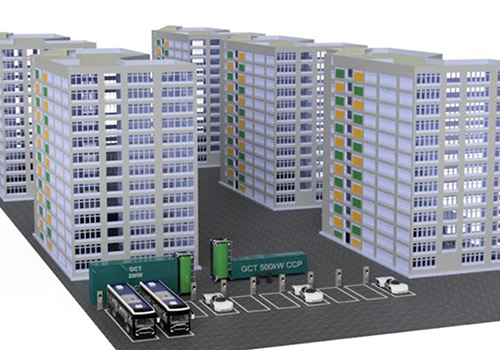
Researchers received a $4 million U.S. Department of Energy grant to develop a proof-of-concept EV charging station that relies on inexpensive bioethanol to produce carbon-negative electricity.
|
|
|
Student success |
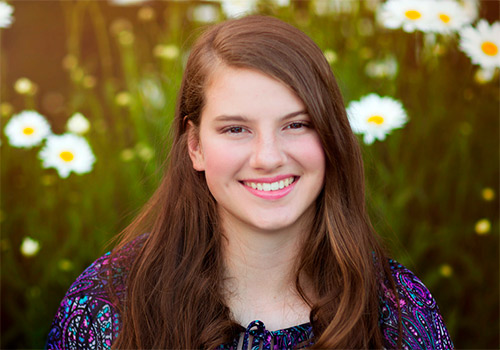 |
Suzanne Gelston, recipient of a prestigious National Science Foundation Graduate Research Fellowship, is studying the design of bioelectrochemical systems.
|
|
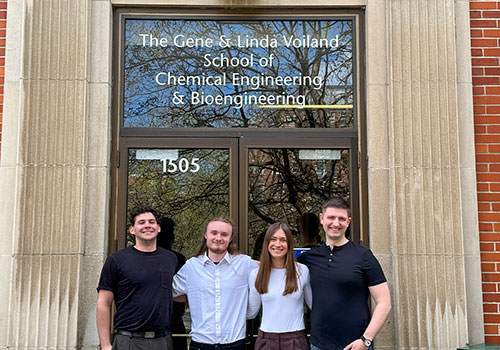 |
Bioengineering students have been developing a portable sensor that aims to quickly detect harmful pathogens in air or water as part of their capstone design project.
|
|
|
Faculty spotlight |
|
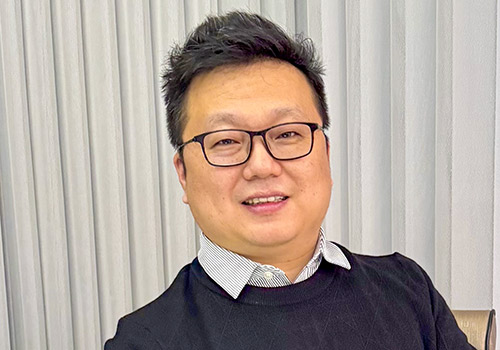
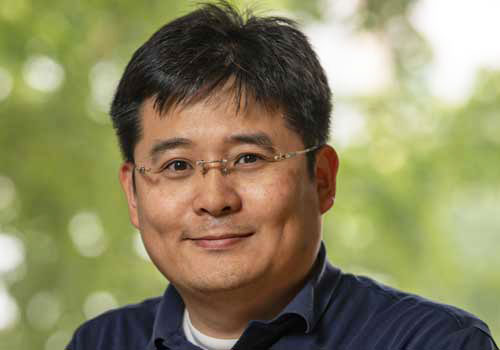
Professor Cao joined the Voiland School faculty this fall. In his research, he works to be a ‘microbial engineer,’ studying how microbes live together and form design structures, how they interact with others, and how to control or program them.
|
|
|
Voiland events |
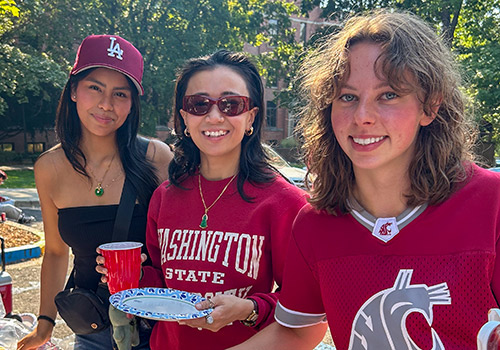 |
The Voiland School took advantage of a warm, early-season Apple Cup to host a tailgate barbecue with students, faculty, and alumni.
|
|
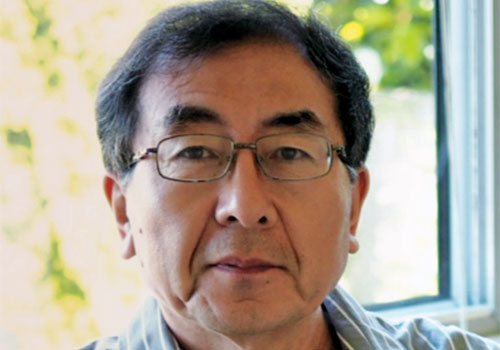 |
Jingguang Chen, the Thayer Lindsley Professor of Chemical Engineering at Columbia University, spoke on upgrading carbon dioxide and biogas to value-added products at the annual Ensor Lecture earlier this fall.
|
|
|
Faculty awards |
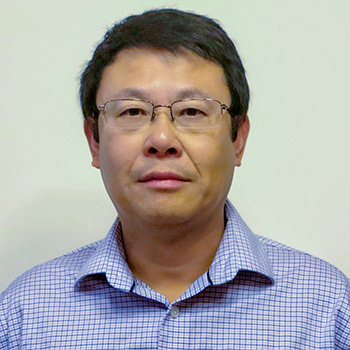 |
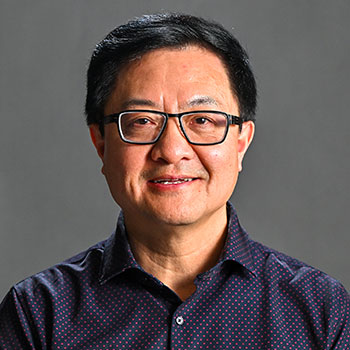
Xiao Zhang
WSU Innovation and Entrepreneurship Awards
|
|
|
|
|
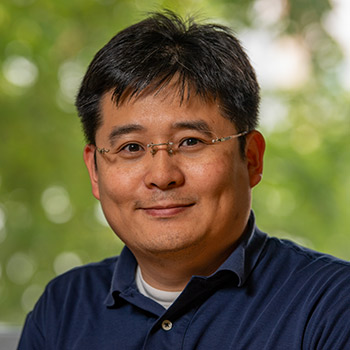 |
Su Ha
Anjan Bose Researcher Award
|
|
|
|
|
Voiland School at a glance
|
 |
$6.3 Million
Total research expenditures in FY 2024—2025
|
|
 |
$370 Thousand
Research expenditures per tenured/tenure-track faculty member in FY 2024—2025
|
|
 |
*26
Publication # per faculty member
|
|
 |
*599
Citation # per faculty member
|
|
|
|
*Over 4 years from 2018–2022 |
|